Homeowners in Alaska need to test their homes to determine whether asbestos is present. Asbestos is a health risk, and testing for it comes with costs. In this guide, we review the costs of asbestos testing, organized by type, inspection complexity, and the location where testing is to be performed. For Alaskan homeowners, the need to test for asbestos to protect their property is clear. Understanding the costs associated with asbestos testing to protect the property’s safety and compliance will be a priority. This guide is intended to help homeowners test their property for asbestos to protect their health and the health of anyone who enters the home.
Key Highlights
- Asbestos testing is essential for safety, particularly in older Alaska homes, given the health risks posed by asbestos materials.
- Different testing methods, including visual and air testing, help identify the presence and condition of asbestos, which are crucial for property safety.
- The cost of asbestos inspection in Alaska homes varies based on factors like testing type, home size, and geographic location.
- Certified inspectors use their expertise to tailor testing services, ensuring comprehensive evaluations and regulatory compliance.
- Proper preparation before asbestos testing maximizes accuracy and safety; engaging qualified inspectors is key to thorough inspections.
Understanding Asbestos in Homes
Concerns about asbestos have been high among homeowners in older properties, and Alaskans have built older homes with materials that often contain asbestos. Homes built in the Alaskan mountains and on the coast several decades ago may contain hidden asbestos in insulation, flooring, ceiling materials, piping, and more. Knowledge and proper asbestos management are critical to the safety of homeowners and household residents. Significant asbestos exposure leads to deadly respiratory illness and life-altering health issues.
The first step in safety is recognizing areas where asbestos is likely to be present. Familiarity with the older homes of Alaska and identification of areas of concern are the two criteria homeowners must meet to understand the need for professional asbestos testing and/or inspection. Homeowners prioritize their inspection decision based on safety vs. the practical aspects of inspection costs and the possible additional expense of testing, which costs a couple of thousand dollars.
Anchorage Home Buyers provides a fair cash offer for homes with potential asbestos concerns, allowing Alaska homeowners to sell without the stress of inspections, testing costs, or repairs. Our process is simple and transparent, helping you move forward quickly while avoiding health risks and unexpected expenses.
The Importance of Identifying Asbestos
Finding asbestos in your home is important for your safety. Construction materials containing asbestos were hazardous when they were still in use. Fibers can become airborne and will be inhaled. Those unfortunate enough to breathe in the fibers can get asbestosis, lung cancer, and/or mesothelioma. Homeowners planning renovations and repairs should know the types of asbestos and the risks associated with each to identify and manage them. Considering Alaska housing is still quite old, and the weather makes an asbestos survey even more likely. Trained professionals will conduct an asbestos survey to ensure every corner of the house is checked.
A thorough asbestos survey is more than just identifying asbestos-containing materials. They need to understand the condition of those materials. Materials can become friable, meaning they can be easily broken. This can release fibers into the air. Homeowners can usually save a couple of thousand dollars by using a certified inspector and their training. Asbestos testing can be an investment that saves money in the long run, improves health outcomes, and increases property value by meeting more safety codes.
Identifying asbestos in your home is crucial to maintaining a safe, healthy living environment. Once asbestos is detected, it’s important to handle the situation with care to minimize any health risks. Here are some practical steps homeowners can take:
– Avoid disturbing the material and limit access to the affected area.
– Consult with a certified asbestos professional to assess the risk and determine the best course of action.
– Consider sealing the asbestos materials to prevent fiber release, which is known as encapsulation.
– If removal is necessary, hire a licensed asbestos abatement contractor to safely remove and dispose of the materials.
– Ensure proper air quality testing is conducted after remediation to confirm that the space is safe for occupation.
– Keep an eye on any remaining asbestos-containing materials and regularly check for signs of wear or damage.
– Inform family members and tenants about the presence and status of asbestos in the property.
By taking these measures, homeowners can ensure their living space remains secure and that health hazards are minimized.
Types of Asbestos Testing Available
Testing for asbestos hazards is particularly important for residential home safety in Alaska. Many homes in Alaska predate the widespread regulation of asbestos use. Concerned residents should understand that the insulation, flooring, and roofing materials in older homes may contain asbestos. It can be dangerous to home residents and workers if those materials are disturbed. Enough asbestos-related testing options are available; while some require just visual inspections, others require comprehensive assessments of materials and lab analyses of air samples. These testing types focus on detecting asbestos across various potential risk and exposure scenarios.
Knowing the various options and methodologies can help the homeowner understand and decide which testing option is best to pursue. Testing settings may be controlled in a lab, and air quality can be monitored, but visual inspections can eliminate time and provide answers faster. Establishing a budget is important. It is a trade-off between risk and safety, and ultimately, the homeowner has control over which testing option is best to pursue.
| Testing Type | Key Features | Benefits | Limitations | Ideal Usage |
|---|---|---|---|---|
| PLM (Polarized Light Microscopy) | Uses polarized light to identify fiber type and structure | Quick and cost-effective | Limited in detecting low levels of asbestos | Initial assessment for asbestos presence |
| Transmission Electron Microscopy (TEM) | Provides detailed fiber analysis with high magnification | Highly accurate for precise detection | More expensive and time-consuming | Confirmation of asbestos in complex samples |
| Air Monitoring | Measures asbestos fibers in the air | Protects workers during abatement | Requires specialized equipment | During renovation or demolition |
| Visual Inspection | Involves a trained professional inspecting materials | Non-invasive and quick | Cannot confirm presence or type without sampling | Preliminary evaluation |
This table clearly illustrates the various asbestos testing methods, helping homeowners make informed decisions about maintaining safe indoor environments.
Visual Inspection and Asbestos Surveys
Visual inspection is often the first step in asbestos testing for many homes. During this process, a certified inspector looks for materials commonly associated with asbestos, particularly in older Alaskan houses. Typical focus areas include attics, basements, ductwork, insulation, floor tiles, and roofing. Using a checklist of known asbestos-containing materials, inspectors identify suspicious surfaces that may require laboratory testing, making this a non-intrusive and cost-effective starting point. This early assessment helps establish the scope of testing and sets expectations for the overall inspection process.
Before asbestos testing begins, an inspection is conducted. Asbestos inspectors inspect materials that may contain asbestos, especially in older houses in Alaska. Inspectors focus on attics, basements, ductwork, insulation, roofing, floor tiles, and other asbestos-containing materials. Making this a checklist, inspectors mark off surfaces that look suspicious and may need testing. This method is non-invasive and the cheapest way to start asbestos testing. This step establishes the scope of testing and sets expectations.
Visual assessments provide an overview of risk areas, the main benefits, and won’t damage the home. It allows inspectors to focus on sample testing in high-risk areas, and for homeowners, this method means lower costs. Overall, this improves the efficiency of asbestos/contaminant testing for the home. It means not wasting time and money on areas that don’t require asbestos testing or that have little to no asbestos.
Benefits and Limitations of Air Testing
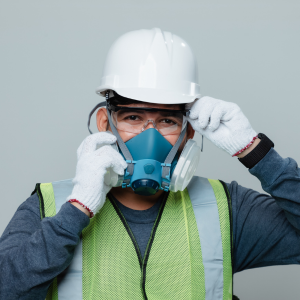
Testing the air quality in the home is one of the most important aspects of asbestos testing, especially in older homes in Alaska, as the homes may not be visible. Testing is done by sampling the indoor air and looking for asbestos fibres. Certified inspectors are trained to use air-monitoring equipment and will collect and examine air samples from various locations to test for asbestos. The air samples will be sent to a lab to test the home for the presence of asbestos and the level of asbestos in the air. These tests will show the air quality inside the home, and the potential air quality cannot be determined visually by an inspector.
The most important quality of air testing is that it reveals the presence of asbestos in a home’s air. The presence of asbestos fibres in the air and related materials in the home poses a serious health risk that can go undetected until air testing is undertaken. During home renovations, air testing is a risk-mitigation strategy for materials and old building materials. Testing air quality is a risk mitigation strategy to protect the long-term health of residents and tenants by preventing asbestos-related illnesses.
Air testing can be beneficial; however, there are also several drawbacks to be aware of. Some results may reflect either a lack of activity during the test or stagnant air at the testing site, leading to fiber counts lower than the actual counts. Moreover, air testing cannot detect asbestos that may be trapped in solid materials, which could be dangerous if disturbed. To fully understand the asbestos risks in the house, air testing must be supplemented by a site assessment and material sampling.
Inspection Costs: What to Expect
Inapplicable state regulations, harsh weather, and remote locations all cause delays and obstacles when estimating what Alaskan homeowners will pay for asbestos testing, especially for first-time homeowners. As Alaskan homeowners estimate their own costs, they should keep in mind that costs are determined by testing procedures, type, size, and age of the home. Lastly, the most important factor in determining testing costs is the materials being evaluated. Since the costs of home safety upgrades and home compliance testing are directly affected by testing costs, Alaskan homeowners need to understand the significance of these factors to plan their home safety budget.
An asbestos inspector is important for documenting the overall estimate. He/she will assess the property and provide recommendations on the testing tiers required. To avoid unnecessary procedures, he/she will remain within the scope of the initial inspection. Once Alaskan homeowners understand the factors asbestos inspectors consider when estimating testing costs, they can simplify their budgets and protect their families’ health.
Looking to move forward without uncertainty? Contact us today to receive a fast, no-obligation cash offer tailored to your Alaskan property and its asbestos testing needs.
Factors Influencing the Cost of Asbestos Testing
The cost to perform asbestos testing on a home in Alaska varies by several key factors, including the types of materials being assessed. Each is tested using different methods; for example, materials like dust are tested using more complex, time-consuming methods than solid materials, which can increase costs. Size also matters; larger homes, or those that have been extensively renovated and require a more extensive sample set, are the more expensive samples. When more than one area is suspected of containing asbestos—such as insulation, flooring, and roofing—more extensive testing is required, which increases the cost.
Where your home is located in Alaska is also a big factor. If your home is in a remote or hard-to-reach area, it will cost more because travel is involved, and bringing certified inspectors and specialized tools is more expensive. Also, the level of suspected contamination will affect the price. More contamination suggests that additional testing will be required, including air testing, which will raise costs.
The more contamination, the more processes that need to be completed, including extensive air testing that looks for airborne fibers, which also increases costs. The more contamination there is, the more work that needs to be completed. More contamination also increases costs. Also, to meet audit standards, a certified inspector must be present. For untrained inspectors, there are additional costs to consider. Knowing the more fibers, the more work that needs to be done, will help to understand the costs a little more. Knowing that the more contamination there is, the more extensive the work needed, makes it easier to understand and anticipate work when asbestos testing is being planned.
How an Asbestos Inspector Determines Inspection Cost
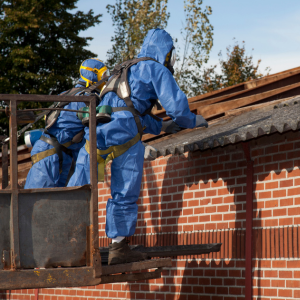
An asbestos inspector plays a key role in determining inspection costs, as their expertise defines the scope and depth of the work based on each property’s conditions—especially if you want to sell your house for cash in Anchorage or other cities in Alaska, where buyers often require clear environmental disclosures. Costs largely depend on the type of inspection required; comprehensive visual inspections and air testing are more expensive than basic material sampling due to the level of detail involved. Inspectors assess the type, location, and extent of asbestos, particularly where contamination risks are higher, which directly influences testing requirements.
Certified inspectors use their training and expertise to pinpoint potential hazards, especially in older Alaskan homes, where building practices may have concealed asbestos. This bespoke lack of inspection may actually lead to a plethora of more in-depth survey descriptions, surpassing initial expectations and yielding greater value to the safety review. While the inspection can cost multiple thousand dollars, it can provide peace of mind, ensuring the health and safety of family members and that the overall property is valued and protected.
When inspectors follow regulations, for example, reduced inspection costs result from inspectors being more likely to use less demanding methods, and therefore, out-of-date tools ensure compliance with the methods and tools. However, the standards applied are meant to avoid severe negative health impacts, such as mesothelioma, so, of course, they will improve the validity of the results. Since each inspector incurs the greatest cost-benefit based on the level of risk and the degree of complexity of the materials required for each inspection. However, homeowners are often given a clear explanation of the level of effort and the appreciation of its value.
Preparing for a Home Inspection
When planning out an inspection of your Alaskan home, consider the presence of asbestos. Testing and inspection processes can be very delicate. Preparing your home so the inspection accurately reflects its condition is very important. Knowing that, as a homeowner, you should refrain from disturbing potential asbestos and ensure the inspectors have access to the areas, should make you feel confident that you are doing your part to keep the process contamination-free and delay-free.
Also, remember to work with certified asbestos inspectors who are familiar with Alaska regulations. Qualified and certified inspectors know how to stay within the guidelines and how to protect the integrity of your home and the health and safety of your family. They will be able to explain their methods regarding air and material sampling. Homeowners should know that their planning will be rewarded with an improved home atmosphere and peace of mind from the inspection results.
Steps to Take Before the Asbestos Testing
Before asbestos testing begins, Alaska cash buyers and homeowners alike should take time to properly prepare the property and develop a clear plan. This starts with understanding what type of asbestos testing is needed and identifying areas most at risk, such as basements, attics, crawl spaces, and sections of the home with older construction materials. Focusing on these locations helps determine where air testing and material sampling will be most effective, ensuring potential asbestos sources are not overlooked during the inspection.
Building relationships with certified asbestos inspectors will help with smoothing the preparatory work. Homeowners need to check whether the inspectors possess the required qualifications and OSHA knowledge. Inspectors must be certified asbestos inspectors, but if they lack knowledge of OSHA, they cannot be compliant. Inspectors also need the knowledge to conduct an asbestos survey. Past projects, reference evaluations, and reviews are useful for providing the inspector with the knowledge needed to be compliant.
To help asbestos inspectors during their inspection, homeowners should provide information about the property’s history. Homeowners should discuss repairs, renovations, and any prior asbestos issues, as this information will help the inspectors assess current issues more accurately. Inspectors can then focus their inspection on the materials that could have disturbed asbestos.
Lastly, before testing begins, safety and accessibility must be considered. All occupants must be notified of the testing schedule and must leave the premises during air testing. Removing obstructions and providing clear access to key areas will help inspectors limit exposure and ensure an organized, safe asbestos testing process.
Understanding the costs of asbestos testing in Alaska empowers homeowners to make informed decisions to protect their families and properties. Recognizing the value of both professional assessments and DIY options is crucial to managing expenses effectively. By investing in reliable testing methods, homeowners can ensure they address any asbestos concerns with accuracy. Access additional resources or consult local experts to explore available services and obtain a comprehensive understanding of potential costs. This proactive approach not only safeguards health but also enhances property value in the long term.
FAQs:
What is the importance of asbestos testing in Alaska homes?
Asbestos testing is critical to ensuring home safety, especially in older properties in Alaska, where asbestos was frequently used as a construction material due to its durability and heat resistance. Testing identifies the presence and condition of asbestos, preventing potential health risks associated with prolonged exposure to asbestos fibers.
What factors influence the cost of asbestos testing in Alaska?
The cost of asbestos testing in Alaska varies based on several factors, including:
- Type of testing (visual inspections, air testing, sampling)
- Size of the home and number of areas requiring testing
- Geographic location and accessibility of the property
- Extent of suspected contamination and regulatory compliance requirements
Why is air testing for asbestos fibers important in older homes?
Air testing is crucial for ensuring safe indoor air quality in older homes. It detects airborne asbestos fibers that may have been released due to deteriorating materials, renovation work, or other activities. This helps assess the severity of contamination, guiding proper remediation efforts to protect inhabitants’ health.
What steps should homeowners take to prepare for asbestos testing?
Preparation for asbestos testing involves several actions:
- Identify high-risk areas within the home
- Engage certified and trained inspectors
- Understand the property’s renovation history
- Enforce safety measures, ensuring residents vacate during testing if necessary
- Ensure easy accessibility for inspectors by clearing obstructions
These steps maximize the accuracy and safety of asbestos testing processes.
Do you need to sell your house? Sell it quickly, avoid costly repairs, or prefer a hassle-free sale. Anchorage Home Buyers is here to help. We offer fair cash offers, handle all the details, and make the process seamless. Ready to sell or have questions? Call us at (907) 331-4472 for a no-obligation offer. Get started today!
Helpful Alaska Blog Articles
- How to Sell a House Without a Realtor in Alaska
- How to Sell a House When Going Through a Divorce in Alaska
- Fixing Up a House to Sell in Alaska
- Cost to Replumb a House in Alaska
- Can the Seller Back Out of a Contract in Alaska?
- Capital Gains Tax After Selling a House in Alaska
- Does a Seller Pay Closing Costs in Alaska?
- What Do You Do When You Inherit a House with a Mortgage in Alaska
- How to Remove a Name from a Deed in Alaska in 2025
- How to Do a Sale by Owner in Alaska
- Cost for Asbestos Testing in a House in Alaska
- How to Sell a House with a Code Violation in Alaska
- How to Sell a Condemned House in Alaska
- How to Sell a House with Title Issues in Alaska
- Sell House with Water Damage in Alaska