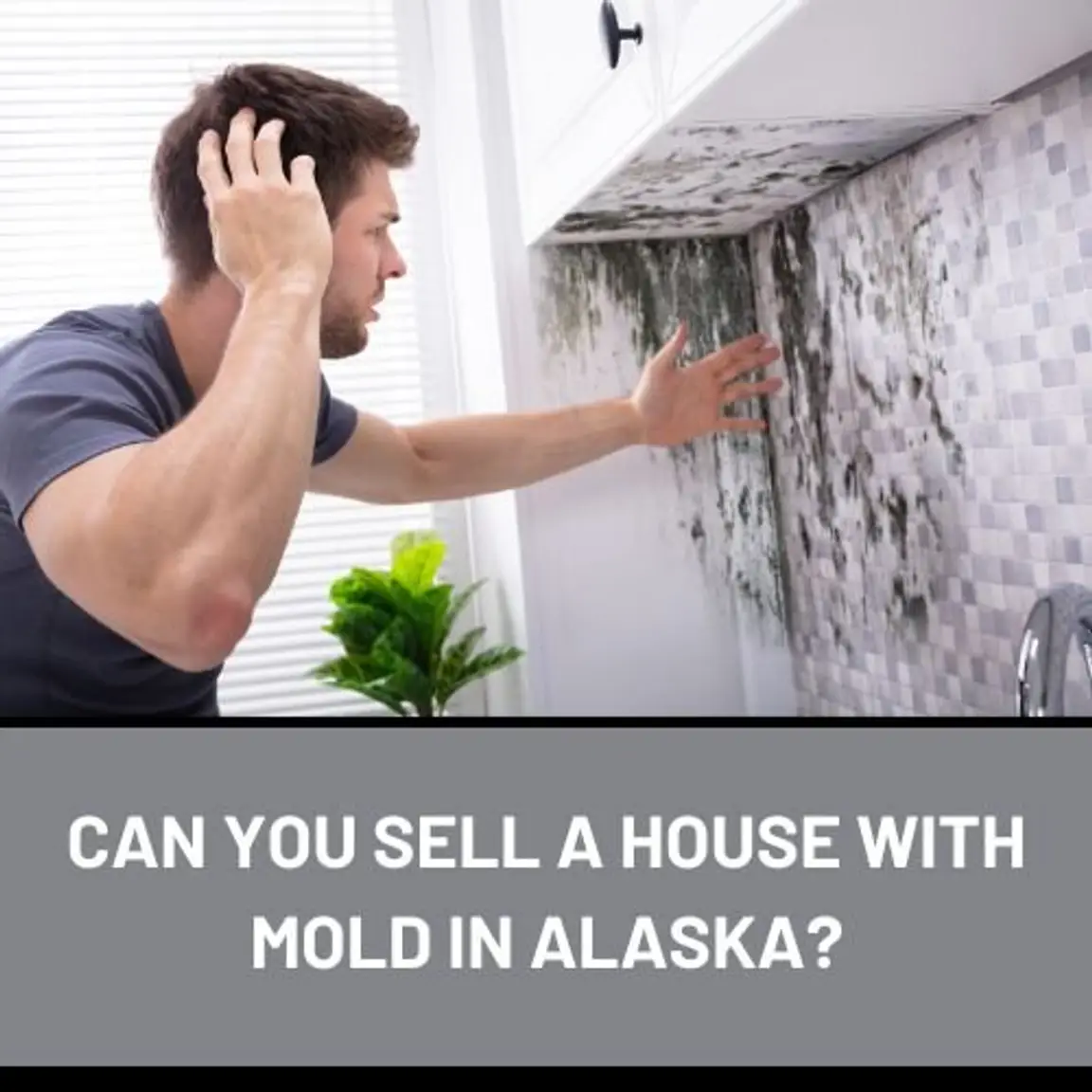
Bad smells in your basement. Your bathroom ceiling has dark spots. Entering certain rooms may trigger your allergies. Alaskans know how difficult moisture is. Our climate favors mold. It settles in. Mold may be in 70% of homes. In Southeast Alaska, it may be higher. No one tells you that moldy houses can still sell. I’ve bought hundreds of Alaskan homes in Juneau, Fairbanks, and Eagle River. The sale can continue despite mold issues. They alter your behavior.
Get to the point. Half of homebuyers will leave if mold is found. So it is. What about the other half? People are still interested if you do things right.
Moldy Alaskan homes can sell. Being honest, planning, and knowing your options are needed. Start by fixing the mold, sell the house as-is in Anchorage, AK, and tell the buyer everything, or work with cash buyers like Anchorage Home Buyers who can handle problem properties. Each method has its place. This depends on your time, money, and stress tolerance.
Understanding Mold Issues in Alaskan Homes: Climate and Moisture Factors
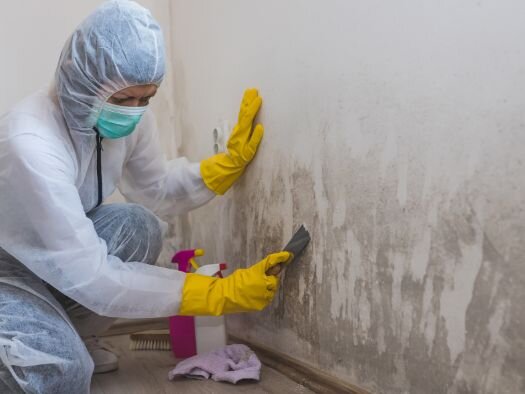
The Alaskan climate is ideal for mold. Unfortunately, southeast Alaska has ideal mold growth conditions. Your home is more likely to have mold after all the rain. Our winters are long, so homes are closed for months. Mold thrives in damp, poorly ventilated areas. Mold grows with temperature changes, ice dams, and heating system humidity.
Basements are especially vulnerable. Also crawlspaces. A breeding ground is anywhere water can collect, and air doesn’t circulate. There are health risks. Every year, mold causes 4.6 million U.S. asthma cases. Mold spores cause allergies and breathing problems. That’s why mold worries buyers and why sellers must disclose it by law.
However, a 2022 report from the National Institute for Occupational Safety and Health, Centers for Disease Control and Prevention, found mold or dampness in 47% of US homes. Like others, you have this issue.
Professional Mold Inspection and Testing Before Listing Your Alaska Home
No professional mold inspection is required before listing, but it’s recommended. It provides accurate information rather than guessing. A certified mold inspector will look in both obvious and hidden places. Hidden behind walls, HVAC systems, and carpets. Air tests can determine if the mold’s source needs further investigation.
A full inspection in Alaska costs $300–$800. That includes air and surface testing. A detailed report will show mold types and amounts. Mold appears when indoor air has over 10,000 spores per cubic meter. The report will indicate if you exceed this level.
Some sellers skip the inspection because they prefer not to know. Bad idea. Buyers may want to inspect the property. Knowing what you’re getting into helps you plan. A successful inspection gives you proof to reassure the buyer. If it has issues, you can handle them wisely.
Cost-effective Mold Remediation Strategies for Alaska Homeowners
Mold removal costs vary. Mold removal averages $2,300 in the U.S. However, Alaska is far away and has few contractors, so expect to pay 20–30% more. Small areas (under 10 square feet) can cost $500–$1,500 to clean. It can cost $3,000 to $10,000 for bigger issues. Lots of contamination requiring structural repairs? Expect to pay $15,000–$30,000.
Not all mold issues require professional treatment. Mold on bathroom tiles? You can do that with bleach. However, porous materials like drywall and insulation require professional handling. I recommend sellers get multiple contractor quotes before choosing. Some try to scare you into overspending. Someone may do a bad job for a low price.
The IICRC should certify your contractors. They should provide a detailed estimate and explain their process. Sometimes, only fixing some things makes sense. Fixed the worst parts, wrote everything down, and priced the house accordingly. If you’re selling your house in Alaska anyway, full remediation may not be worth it.
Finding Qualified Mold Removal Contractors in Alaska: Licensing and Certification

Alaska doesn’t require specific mold remediation licenses, but good contractors have certifications anyway. Look for IICRC certification at a minimum. Some also have certifications from the American Council for Accredited Certification (ACAC). Get references. Check Better Business Bureau ratings. Ask to see recent work photos and customer testimonials.
Red flags include door-to-door solicitors, companies that show up after storms, or anyone demanding full payment up front. Legitimate contractors provide written estimates and work contracts. In Anchorage, you’ve got more options. Smaller communities might have limited choices. Don’t be afraid to bring in contractors from larger cities if local options are sketchy.
Ask about their containment procedures. Proper mold remediation requires sealing off work areas to prevent spore spread. They should use negative air pressure and HEPA filtration. Cleanup isn’t just about removing visible mold. It includes treating affected surfaces, improving ventilation, and addressing moisture sources. A good contractor addresses the whole problem, not just symptoms.
Documenting Mold Remediation Work for Alaska Real Estate Transactions
Documentation is crucial whether you fix the issue or not. Keep receipts, photos, and reports after mold removal. Buyers want proof of quality work.
Pictures before show the problem’s severity. The photos demonstrate proper procedure. Photos show that the work is done. Before and after remediation, air quality tests provide scientific proof.
Get a written guarantee from your contractor. Good companies usually guarantee their work for a year. Some warranties are longer. If you’re selling as-is, write down mold information. When did you see it? What caused it? Did you clean up? This information helps buyers choose wisely.
Your own records are less important than professional ones. Keeping an inspection report shows honesty, even if you don’t fix anything. Store your paperwork digitally and physically. You must give buyers, agents, and possibly lawyers copies. Organization speeds things up and builds trust.
Legal Disclosure Requirements for Mold in Alaska Real Estate Sales
Disclosure laws in Alaska are clear. Sellers must provide detailed disclosure statements before buyers make written offers. List roof leaks, mold, electrical issues, and legal issues that lower home value. You must report roof damage, water intrusion, and mold. Disclosure protects your legal standing. Alaska Stat. 34.70.30 would have secured you: “If the transferor tells the buyer about a defect or other condition in the real property or the real property interest being transferred, the transferor is not responsible for it.”
Don’t hide mold. About 77% of real estate lawsuits involve disclosure issues. A lawyer can cost more than any money you save by staying quiet. Alaska’s radon gas disclosure laws require sellers to disclose lead paint, asbestos, mold, and radon hazards. Not disclosing these risks could harm your health and land you in court. You must also disclose past mold issues. If you removed mold five years ago, say so. Buyers appreciate clarity and responsible problem-solving.
Alaska Real Estate Market Impact of Mold Problems on Home Values
Let’s talk numbers. Mold affects home value by 20%–37%. While painful, that’s not the worst. Alaska’s median home price varies by region. The average Anchorage home sale price was $425,000 last month, up 12.0% from last year. The average 2024 single-family home price in the state is $459,089.
A $400,000 home can be discounted 25%, saving $100,000. Even though it hurts, selling it as-is may be better than fixing it up for $20,000. Market conditions matter too. The median days on the market was 56, up 9 from last year. Slow markets make mold problems harder to handle.
Cash buyers usually bargain less on mold than traditional buyers. They’re not concerned about lenders’ property condition concerns. Anchorage Home Buyers buy struggling homes and close quickly, even with mold. The effect also depends on location. A moldy cabin in Alaska’s wilderness has different issues than an Anchorage home with many contractors and buyers.
Marketing Strategies for Selling Mold-affected Properties in Alaska
Moldy homes need different marketing. Being upfront saves everyone time and trouble. Include mold information in your listing description. Not on top, but don’t hide it. “Property has mold problems in the basement. Estimates for professional remediation are available. Prices are set accordingly.”
Find suitable buyers. Mold is more likely to be ignored by real estate investors, flippers, and cash buyers. Potential, not perfection, is their goal. Set aggressive prices. You want serious buyers, not those who will flee mold. Starting low and getting many offers is better than waiting months.
Provide proof beforehand. Inspection reports, repair estimates, and cleanup work. Being transparent builds trust and speeds things up. Sell to companies that specialize in this. Even moldy homes are bought by Anchorage Home Buyers. Many close in weeks, not months. Professional photos are still essential. Show the property’s potential, not just its issues. Good photos help buyers see past issues and future possibilities.
Cash Buyers vs Traditional Buyers for Mold-damaged Alaska Properties
Buyers of moldy homes have trouble getting loans. Mold removal is often required before loan approval. FHA and VA loans strictly monitor environmental risks. These rules don’t affect cash buyers. They can close regardless of the property condition if they accept the risks and prices.
Half of homebuyers leave after discovering mold. The other 50% are cash buyers who only buy problem properties. They anticipate issues and price accordingly. Lower offers are the tradeoff. Problematic properties are usually bought for 60% to 80% of their market value by cash buyers. They close quickly with few conditions and no repairs.
Cash buyers are ideal for sellers who need to move quickly or can’t afford repairs. Anchorage Home Buyers can quickly and fairly offer to buy moldy homes. Traditional buyers may pay more if you fix the problem first. It takes money, time, and a chance that remediation will reveal bigger issues.
Buyer Financing Challenges for Mold-damaged Alaska Homes and Solutions
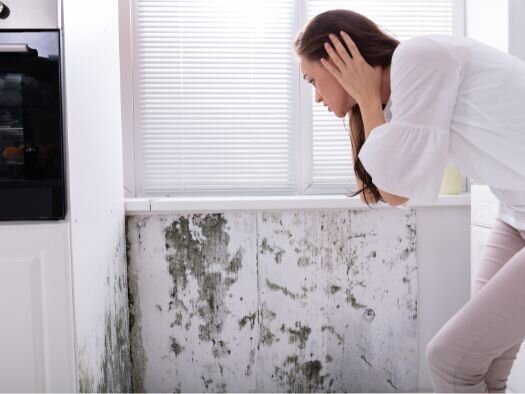
Mold bothers lenders. It could damage property and pose unknown health risks. Most traditional loans require mold removal before closing. FHA loan rules are strict. The property must be “safe, sound, and secure.” Visible mold usually fails. VA loan requirements are similar.
Appraisers will note mold issues, which can stop the loan even if the lender approves. The appraiser protects the lender’s funds. Here are some answers. Mold removal can be financed with renovation loans. These are harder and slower to close.
If you own the property free and clear, seller financing may work. So the lender doesn’t have to worry about property condition; you hold the note. This locks up equity and puts you at risk. Cash sales solve all financing issues. Moldy properties often go to investors or problem property companies.
Negotiating Price Reductions Due to Mold Issues in Alaska Home Sales
You need a plan to price moldy homes. You can’t deduct repair costs from market value. Buyers want more for their risk and trouble. Get several remediation quotes to estimate costs. Expect buyers to request more discounts due to their trouble, uncertainty, and possible hidden issues.
Mold removal for $5,000 could save $10,000–$15,000. Buyers consider the time, stress, and risk of finding more issues during remediation. Instead of lowering prices, offer credits. This reduces taxes and makes the discount feel temporary. Fixing mold with a $10,000 credit sounds better than paying $10,000 less.
Be prepared for lowball offers. Buyers may try to take the property because they think you need it. Honor your bottom line. Wait for a fair offer rather than an insult. Multiple offers can help with mold. If you set a low price and market to the right people, others may bid against you, raising the price.
Timeline Expectations for Selling Mold-affected Properties in Alaska
Moldy homes sell more slowly. As of March 6, 2026, Alaska homes average 35 days on the market. Alaskan sales take 42 days. It may take 60–90 days for mold issues. Inspection and repair take longer. Buyers will want a mold inspection even if they buy the property as is. One or two weeks more.
Financing delays are common. Lenders may require more paperwork, environmental reports, or work completion before closing. This could delay the process by 30–60 days. Cash buyers move faster. Anchorage Home Buyers can close in two to three weeks without financing or long inspections.
Alaska seasons matter. Spring and summer are better house-selling seasons. Winter sales include more issues with property access, inspections, and buyer interest. Plan for delays and have backups. If the first buyer backs out due to mold, you’ll need other interested parties to step in.
Insurance Coverage for Mold Damage in Alaska Home Sales Transactions
Most homeowner’s insurance policies don’t cover mold damage. They might cover the initial water damage that caused the mold, but not the mold itself. Check your policy carefully. Some newer policies include limited mold coverage, typically $1,000-$10,000. It’s rarely enough for major remediation, but it helps.
Flood insurance through FEMA doesn’t cover mold either. It covers flood damage, but mold that develops later is considered a maintenance issue. Some insurance companies offer mold endorsements for additional premiums. These provide broader coverage but are expensive and have strict requirements.
Document any insurance claims related to water damage that might have caused mold. Buyers will want to know about the property’s claims history. If that claim hasn’t closed yet, you can still sell a house with a pending insurance claim as long as the paperwork is spelled out in the contract. If you’re selling as-is, make sure buyers understand they’re taking on all mold-related risks. Your insurance won’t cover their problems after closing.
Post-sale Liability Protection for Alaska Sellers with Previous Mold Issues
The best way to avoid post-sale liability is to disclose everything. Telling the truth about problems protects you under Alaska’s disclosure law.
Alaska Stat. 34.70.30 would have secured you: “If the transferor tells the buyer about a defect or other problem with the real property or the real property interest being transferred, the transferor is not responsible for it.”
Copy buyer acknowledgments, inspection reports, and disclosures. These show you were upfront about the property. Consider requiring buyers to sign mold waivers. These strengthen your case but don’t eliminate liability.
Some sellers ask lawyers to review their disclosures. An attorney can review your paperwork and suggest changes to reduce your risk of being sued.
Title insurance may protect against environmental issues, but not always. Read your policy to understand its coverage.
Frequently Asked Questions
Is Mold Common in Alaska?
Yes, Alaskan homes have lots of mold. Mold may be in 70% of homes. In Southeast Alaska, it may be higher. Mold thrives in our climate due to high humidity, temperature changes, and winter-closed homes. Mold is common in the state due to moisture and poor airflow.
What Not to Fix Before Selling a House?
Old wallpaper or carpet that buyers may change shouldn’t be fixed. Mold is unusual because it can harm your health and safety. Mold cannot be removed before selling, but it must be disclosed. Instead of performing remediation, some sellers get quotes to help buyers estimate costs.
How Much Does Mold Devalue a House?
Mold reduces home value by 20%–37%. The effect depends on contamination, house location, and local market performance. This could lower Alaska’s average home price by $80,000 to $150,000. But with the right information and price, you can mitigate the effects and attract buyers who understand.
Can a Mold-infested House Be Saved?
Of course. Professionals can fix most mold issues. Mold removal in the U.S. averages $2,300. Even the worst infestations can be cleaned, but it costs more. Finding moisture sources, removing contaminated materials, and treating affected areas are most important. Many mold-infested homes sell well after cleaning or to DIYers.
In Alaska, selling a moldy house is difficult but possible. Sellers have solved this problem hundreds of times. Being honest, strategic, and realistic about your choices is crucial.
Not everything needs fixing before selling. Finding a buyer who sees opportunities rather than issues is often the best approach. If you want to discuss your situation without feeling pressured, we can help. Anchorage Home Buyers specializes in difficult sales and can offer solutions that other real estate deals can’t. Contact us for more details.
Helpful Alaska Blog Articles
- How To Sell Your Alaska Home With Mold Issues
- Can You Sell A House With A Mortgage In Alaska
- How to Sell a House by Owner in Alaska
- Sell A Fire-Damaged House in Alaska
- Can You Sell A House in Foreclosure in Alaska
- Sell a House with Foundation Issues in Alaska
- Sell a House with a Lien in Alaska
- How to Find a Realtor in Another State
- Sell a House with a Pending Insurance Claim
- How Long Can You Go Without Paying Property Taxes