![Sell Fire Damaged House [market_city]](https://image-cdn.carrot.com/eyJidWNrZXQiOiJwcm9kdWN0aW9uLmNhcnJvdC11cGxvYWRzLm9uY2Fycm90LmNvbSIsImtleSI6InVwbG9hZHMvc2l0ZXMvMzA4OC8yMDI2LzA2L1NlbGwtRmlyZS1EYW1hZ2VkLUhvdXNlLnBuZyIsImVkaXRzIjp7InJlc2l6ZSI6eyJ3aWR0aCI6MTE1Mn0sInRvRm9ybWF0Ijoid2VicCIsIndlYnAiOnsicXVhbGl0eSI6NzB9fX0=)
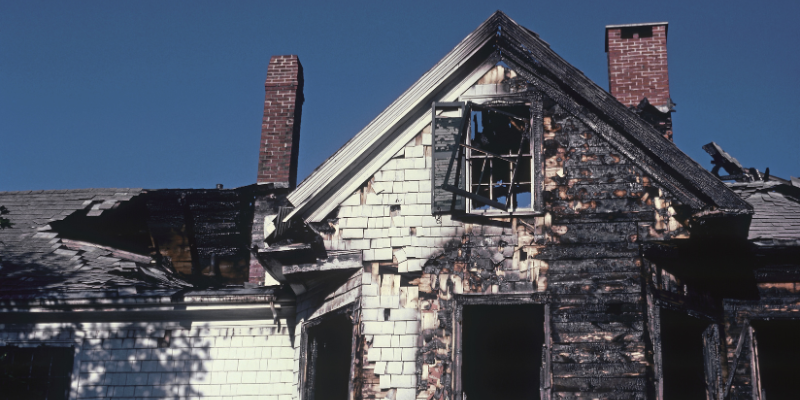
You saw the smoke, and your heart plummeted. Now you’re standing in your driveway in Anchorage, watching the firemen pack away their gear and wondering what’s next. Fire damage isn’t only destructive to property. It steals away peace of mind. If you need to sell a fire damaged house in Alaska, you have more room to move than it feels like right now.
But what most people don’t realize is that you have choices. Real Options. And some may surprise you.
For more than ten years, I’ve been buying houses all throughout Alaska, and I’ve seen fire-damaged buildings move from utter losses to profitable sales. The idea is to know what you’re dealing with and know your options before you make any regrettable judgments.
In 2024, Alaska recorded more than $82 million in structural fire damage and 1,218 structure fires resulting in substantial property losses. You’re not the only one in this scenario. Here’s everything you need to know about selling your fire-damaged property in Alaska.
Assessing Fire Damage and Property Valuation in Alaska’s Real Estate Markets
Let’s get the first stuff first. You need to know what you’re actually up against.
Fire damage is more than what you see. Smoke can spread through HVAC systems and can soak through walls, causing undetectable damage that can cost thousands to rectify. Statistics indicate the average cost of damages per residential fire in Alaska is $16,207, but that’s only the start.
Firefighting water damage is often worse than the fire damage. I’ve seen properties where the fire stopped in one room, but the water flooded the entire first floor. Insurance companies are aware of this. They’ll send adjusters who understand what you’re dealing with.
To provide an accurate assessment, you need people who understand the particular issues in Alaska. Our severe temperatures can make water damage complicated, and mold may not appear for weeks. Permafrost in several regions surrounding Fairbanks and the Interior can compromise the stability of foundations after damage from water. We buy houses in Fairbanks and we see this on almost every water-damaged foundation up that way.
I tell every homeowner to acquire three opinions. One from your insurance adjuster, one from an independent contractor, and one from a restoration firm. The figures are going to be crazy, and you need to know why.
Structural engineers are more important in Alaska than anywhere else. Because of our seismic activity, fire-weakened buildings need to be looked at more closely. From the 1964 earthquake, we learned that buildings don’t just fall down. They come down at the worst time conceivable.
Fire damage makes it difficult to value the property. When your home has a smoke odor and apparent damage, the typical comparable sales method doesn’t work. Appraisers will take into consideration the cost to cure, that is, they’ll estimate the cost of repairs and deduct it from the pre-fire worth of your home.
But here’s the interesting part. Most properties have a lot of equity, as the average single-family sales price statewide in Alaska for 2024 was $459,089. Even with significant fire damage, you may have more options than you thought.
Market conditions affect everything. Alaska’s housing market ran a median of 28 days on the market statewide in June 2026, and a damaged house sits well past that. That means typical transactions take longer, but cash purchasers are still out there.
Location plays a major role in real estate value. Even if a house in South Addition has been damaged by fire, the land itself may still attract investors due to its desirable location. By contrast, the same level of damage in a remote area could make the property difficult to sell through traditional channels. For homeowners looking to sell your house fast in Anchorage, location can still create strong opportunities despite significant property damage.
Alaska Fire Damage Insurance Claims & Settlement Negotiations

Insurance companies are not your friends. But they are not your enemies either. They’re companies attempting to maximize rewards within the limitations of the law. Knowing this helps you get better negotiations.
Alaska’s insurance market is unique. Alaska homeowners’ insurance costs an average of $1,019 a year, lower than the national average, but it doesn’t imply claims are handled more quickly or generously.
Your policy is more important than you think. Actual cash value vs. replacement cost can represent tens of thousands of dollars in your compensation. If you have ACV coverage, your insurance company will apply depreciation. With replacement cost, they don’t.
But here’s what most homeowners don’t know: you don’t have to take the first offer. Insurance adjusters work for the insurance company, not you. They are used to settle claims as swiftly and economically as they can.
I have seen people accept 40% less than what they ultimately received after negotiating. Documentation is crucial. Document everything. Keep all receipts for temporary accommodation, food, clothes, everything.
Public adjusters can help, but they take a share of your compensation. Sometimes it is worth it, especially on larger claims. In Alaska, they’re governed by the state, so be sure that anybody you hire is fully licensed.
Smoke damage claims are where insurance companies fight the hardest. They’ll tell you that scrubbing can resurrect things that are actually due for the chop. You are going to want to get several estimates. Professional restoration businesses can give you estimates to back up your case.
Your business interruption coverage applies if you have a business running out of your home. This includes rental homes also. Homeowners often don’t understand that they can file a claim for lost rental income while the repairs are being completed.
Timeline is important. Alaska law gives you some rights about how long they have to process claims but insurance firms will drag their feet if you allow them. Be on time with deadlines and responsive to requests for information.
Additional Living Expenses (ALE) coverage will pay for temporary housing while your house is being repaired. Don’t cheat yourself on this one. Hotels in Anchorage can reach $150-200 a night. Temporary rentals might be more affordable for longer visits.
Sometimes you disagree. When they do, you have choices. Alaska’s Division of Insurance takes consumer complaints and can review how your claim was handled. You can also employ a lawyer, but it is costly and time-consuming.
Sometimes the best thing to do is take the insurance money and sell as is. This is especially true where repair estimates reach 50% of the value of the residence. At that point, you’re probably better off throwing in the towel and moving on.
Alaska Home Fire Damage: Structural Repair Costs vs. Selling As Is
This will determine the outcome of your financial recovery. To be honest, most homeowners make the wrong choice because they think with their hearts rather than their wits.
Repair expenses are severe in Alaska. Everything is 20-30% more than the lower 48 we’re discussing. Materials have to be flown in and skilled personnel are costly. A kitchen that may cost $30,000 to put together in Seattle will cost you $40,000 here.
But it’s not just about money. About time too. Contractors are booked out for months. Supply chains are finicky. What began as a three-month endeavor became an eight-month temporary residence.
I’ve seen people put $80,000 of repairs into a $200,000 house, thinking they’re making a good investment. Then they find that the work was done poorly, or there is some concealed damage that was not repaired. Now they are out of the repair money and have a problem property.
Here’s the math that matters. If the cost to repair is more than 50% of your home’s value before the fire, you usually are better off selling as-is. If they go over 70%, it usually makes more sense.
But there are some exceptions. In higher-end areas such as Hillside or Eagle River, you might justify a higher percentage for repairs simply due to the strength of the land values. The same holds for cash home buyers in Eagle River, where lot values carry a deal even when the structure does not. The same principle does not apply to properties in locations where values are dropping.
Consider the invisible costs no one discusses. Permits, inspections, code upgrades, temporary housing, storage, tension. They add 15-20% to any repair quote. Think of them from the beginning.
Mold is the wild card that can kill any repair budget. Alaska’s humidity and temperature variations provide the environment for mold growth following a water damage event. If you have mold, you’re talking specialized cleanup that might be more costly than the initial fire damage.
Most contractors won’t tell you this: a property devastated by fire is never quite the same. Always something. A scent that returns in wet weather. A door that doesn’t quite close properly. Electrical problems that arise months later.
Selling as-is means taking a lower price, but it means certainty, too. You know what you are getting when you are receiving it, and you can get on with your life. Sometimes it’s worth more than the extra money you could get from repairs.
Fire-damaged property cash purchasers know the real cost. They won’t try to cheat you out of spite. They are considering the reality of what it takes to get your property back to market shape.
The tax consequences are important too. If you have a loss on a sale, you may be allowed to deduct the loss against other income. If you repair and then sell, the tax treatment can be different and possibly less favorable.
Building Codes in Alaska and Guidelines for Rebuilding a Home After a Fire
Alaska’s building rules are tighter than most states, and for good reason. We have seismic activity, severe temperatures and unique environmental concerns that require specific attention.
Alaska has adopted the 2021 International Fire Code and the 2021 International Mechanical Code, both effective October 28, 2022, along with the 2018 Uniform Plumbing Code and the 2020 National Electrical Code. But there are Alaska-specific adjustments for our special conditions.
When you rebuild after a fire, you can’t simply replace what was there. The codes in place apply to any new work, and that might mean costly modifications throughout the property.
It’s important to know the 50% rule. If your building is damaged to 50% or more of its assessed worth, it must comply with current building code regulations. This can turn a reasonable repair project into a total rebuild.
Seismic criteria are not negotiable. Alaska is situated on active fault lines, and all building construction must fulfill current seismic regulations. This frequently involves improving foundations, constructing shear walls, and strengthening connections throughout the building.
Over the years, insulation and energy efficiency criteria have changed substantially. What would have been acceptable in the 1980s won’t pass the examination today. You may want to install insulation, replace windows, and improve air sealing throughout the house.
Electrical systems often need to be upgraded because of fire damage. Modern code calls for GFCI protection in additional locations, arc fault circuit interrupters, and higher amperage service panels. If your electrical system was damaged, plan to rewire large areas of the house.
Plumbing codes have changed as well. Water pressure requirements, pipe materials, and fixture regulations increase rebuilding costs. If the water pipes were damaged during a firefighting effort, you will probably need to upgrade the entire system to current requirements.
Depending on the size and style of reconstruction, fire suppression equipment may be necessary. Sprinkler systems might be expensive, but they can save insurance premiums and provide safety.
Permitting in Alaska takes time. The state has jurisdiction over numerous areas, although other towns, such as Anchorage, have their own permitting process. Plan review & approval can take 4-6 weeks before work can commence.
Inspections are done at different stages, and if an inspection fails, then it means a delay and increased costs. Make sure your contractor knows how things work in Alaska and has experience working with the inspectors here.
If you’re undergoing major reconstruction, there can be some limitations for accessibility. The Americans with Disabilities Act and Alaska’s accessibility laws may demand larger doorways, accessible bathrooms, and other improvements.
Environmental concerns matter more in Alaska than in most areas. Reconstruction projects might be affected by soil contamination, conservation of wetlands, and preservation of wildlife habitat.
The good news is that most of the time, fulfilling current codes raises your property’s worth. Energy-efficient homes sell at a premium in Alaska, where heating costs are such a major expense.
Alaska Real Estate Sales Legal Requirements to Disclose Fire Damage
Alaska law is clear about what needs to be disclosed, but in practice, this can get complex. You can’t cover up fire damage, but you don’t want to exaggerate the problems either.
On the Alaska Residential Real Property Transfer Disclosure Statement, sellers are obligated to report known material deficiencies. It’s clear that fire damage is a material fault that must be stated.
But the thing is: you only have to tell what you know. If you have professional inspections, you’ll have to share their results. If you haven’t, there’s no need to assume hidden damage.
Documentation is important. Retain all documentation of insurance claims and repair estimates, cleanup work, and inspections. Buyers will want to examine everything, and missing documentation is a red flag.
The disclosure has to be truthful, but not alarmist. Tell me what happened, what was broken, and what has been done to fix any concerns. Don’t guess at future problems or harm that you can’t see.
Professional remediation certificates can actually aid your sale. If you’ve had mold testing, air quality testing, or structural inspections done, positive results might provide purchasers peace of mind that issues have been adequately addressed.
As-is sales still need to be disclosed. Just because you’re selling the property as-is doesn’t give you a free pass to conceal existing flaws. This disclosure shields you from liability down the road.
Buyers have the right to do a property inspection and walk away if they find something you did not disclose. This makes full disclosure even more vital, as problems disguised will likely be identified anyhow.
Insurance claims history is attached to the property. Buyers can also order CLUE reports, which disclose any insurance claims made on the home in the last seven years. Don’t try to hide claims. They will be discovered.
Some purchasers really want residences with fire damage reported since they know what they’re getting. Uncertainty is often worse than the recognized concerns for investors who plan to renovate nonetheless.
The selling does not eliminate legal liability. If you don’t disclose known flaws and the buyer finds out later, you could be sued for deception, fraud, and damages.
The key is to work with knowledgeable real estate agents who understand disclosure regulations. They can assist you in telling it straight, not over-selling problems nor under-selling them.
Title insurance providers will check the history of the property and may uncover that there was fire damage even if you did not declare it. A deal might be delayed or killed by this, so it is always best to plan to disclose everything up front.
Realtor vs Direct Buyer Options for Fire-Damaged Alaska Homes
This option will impact your timeline, your net proceeds, and your stress level. Both ideas have value, but they are for different situations and different aims.
Traditional realtor sales have the potential for maximum returns but also include a lot of risk and uncertainty. Realtors know the market and can sell your house well, but they cannot promise success.
Marketing Fire-Damaged Properties Requires Special Expertise. It’s not as if every realtor knows the best way to showcase damaged properties, while still being honest to disclosure standards.
Financing is more difficult for buyers of fire-damaged properties. Many lenders will not finance homes that have major damage, which would limit your pool of buyers to cash buyers or investors.
Inspection periods can derail deals when purchasers find faults that were not immediately apparent. Fire damage causes uncertainty that makes buyers anxious and provides them with grounds to bargain or walk out.
So, damaged properties are quite slow to sell. The typical Anchorage home went under contract in about 9 days over the three months ending August 2026, but fire-damaged homes can take much longer.
As houses linger on the market, price reductions often happen. What begins as an enthusiastic listing price sometimes gets cut many times as reality sets in.
The carrying costs quickly build up. And on top of that, there are still mortgage payments, insurance, utilities, and maintenance to be paid while the property sits empty. These charges can eat heavily into your net proceeds.
Direct buyer sales forfeit some potential benefit but give certainty and speed. Companies such as Anchorage Home Buyers are experts in damaged properties and can close swiftly.
Cash offers eliminate financial contingencies that often kill deals on damaged properties. Take the offer, and you know the deal is going to get done.
As-is purchases indicate no repairs or improvements are required. This saves money up front and minimizes the danger of cost overruns or construction delays.
Fast closings allow you to go on with your life. You can close in two weeks and start looking for your next home rather than spending months managing a property sale.
No marketing headaches means no showings, open houses, and buyer inspections to worry about. Your property isn’t out there on the market displaying its flaws to the neighbors.
Guaranteed closure dates make it easier to arrange. You know when you’re going to get your proceeds, and you can plan your next move accordingly.
Professional investors recognize fire damage and price it properly. They are not going to be surprised by problems or want to renegotiate after the fact.
The monetary advantage of one choice over the other depends on the property as well as the market. In a hot market, realtors can be able to make more money. In softer markets, the difference may be insignificant.
It depends on your unique scenario. Direct purchasers make sense if you are forced to move for employment, have health difficulties, or just want to avoid the stresses of a regular sale.
Your risk tolerance matters. Traditional home sales often come with more uncertainty but may result in higher profits. Selling directly through a we buy houses in Alaska option can provide a faster, more straightforward process with fewer risks, though it may limit your maximum return.
Tax Effects of Selling Fire-Damaged Property in Alaska

The tax repercussions might have a big impact on the net proceeds you receive from the sale of fire-damaged property. Understanding these ramifications can help you make better decisions about timing and pricing.
In most cases, insurance proceeds are not taxable income, but there are exceptions. If you recover more in insurance than the basis of your property, the excess may be taxable.
If not fully covered, a casualty loss deduction is harder to claim than most people expect. Federal rules now limit personal casualty losses to federally or state declared disasters, a limit made permanent for tax years after 2025. An ordinary house fire usually will not qualify. A qualifying loss is still cut by $100 per event and by 10% of your adjusted gross income.
Then you have capital gains or losses, depending on the basis of your property and the price it sells for. If you sell for less than your basis, you may have a deductible capital loss.
Replacement property laws allow you to avoid taxes on insurance proceeds if you buy equivalent property within certain time frames. This might be really handy if you are investing in real estate.
If the property that was damaged was your primary residence, there may be exclusions to consider. You can exclude up to $250,000 ($500,000 for married couples) in capital gains.
Rental properties that depreciated over time are subject to depreciation recapture. You may have to pay taxes on depreciation taken in prior years.
The cost of installing improvements made during repairs can be added to your basis in the property, which can reduce your taxable gain or increase your deductible loss.
Professional tax guidance is required as fire damage generates complex issues that common tax software can’t handle adequately.
The documentation needs are substantial. Maintain records of all insurance money, repair costs, professional fees, and temporary living expenses.
The timing of transactions can affect your tax liability. When you take the profits or losses in a year can affect your overall tax picture.
Alaska has no state income tax; there is very little in the way of state tax ramifications, but federal taxes are still applied to all transactions.
Business property restrictions are different than residential rules. If you use your house for business purposes, a new set of tax restrictions may apply.
If you finance some of the price of your purchaser’s purchases, installment sales permit you to spread the tax payment over a number of years.
You may be able to do like-kind exchanges on investment properties, which would allow you to defer the taxes by buying replacement property.
If the property owner dies before the transaction is finalized, estate planning considerations come into play. This could impact the basis and tax treatment of the property.
FAQs
Why is a House Unsellable?
There are numerous reasons that a house can be nearly impossible to sell through traditional means. This category generally includes extensive fire damage in excess of 70% of the value of the home. Homes with serious structural difficulties, environmental damage, or legal challenges also have a tough time finding purchasers.
Other issues, such as permafrost damage or severe isolation or lack of amenities, can render properties unmarketable in Alaska. However, cash investors tend to buy these properties on the basis of land value or total reconstruction projects.
How to Price a House With Fire Damage
Get the value of your home before the fire. Deduct what you think it would cost to repair it, and add 20-30 % just in case there are unforeseen problems, or the contractors want to make a profit. Get multiple estimates for repairs from qualified contractors who are knowledgeable about building standards in Alaska.
Look at the prices of comparable damaged and renovated properties in your neighborhood. You have to think about carrying costs like mortgage payments, insurance, and utilities while the property stands idle. Price aggressively if you need to move fast, or price closer to the expected post-repair value if you can wait for the right buyer.
Statute Of Limitations Alaska Property Damage
In general, Alaska gives you six years to sue over waste or trespass that damages real property, and two years for damage to personal property. However, things can be different depending on the case. Most insurance policies require that a claim be filed within one year of the date of loss; other policies allow for a longer period of time. If you are considering legal action against contractors, suppliers, or others involved with fire damage, you should talk to an attorney soon. Different sorts of claims have different dates, and not meeting those limits can mean losing your right to recovery.
What’s the worst month to sell a home in Alaska?
The worst months to sell houses in Alaska are generally December, January, and February. The extreme weather, limited daylight, and holiday diversions create a marked slowdown in purchasing activity. Many purchasers delay looking for a house until spring, when the weather is better and moving is easier. But serious buyers and investors often shop in the winter months because they have less competition. If you need to sell in winter, price aggressively and target investors who aren’t put off by seasonal problems.
Look, I’ve covered everything you need to know about selling your fire-damaged property in Alaska. It’s not an easy decision, but it doesn’t have to be an overwhelming one either.
I want you to remember this: you have options. Whether you restore it, sell it as-is, or something in between, the important thing is to make an informed decision based on facts, not feelings.
If you’re looking to sell quickly, companies like Anchorage Home Buyers can provide you with a reasonable cash offer and close swiftly. If you are thinking about restoration, acquire many estimates and consider all the hidden charges we talked about.
Don’t jump in whatever you do. Understand your insurance settlement, receive professional evaluations, and evaluate your long-term aspirations. It’s not all about the money. It’s about getting your life back in order.
You don’t have to figure this out alone. If you want to discuss your options with someone experienced, we’re here to listen and help. No pressure, no commitments, just practical advice and support.
Your property may be damaged, but you still have choices ahead. Take the time to decide what works best for you. Anchorage Home Buyers buys houses cash, call us today.
Helpful Alaska Blog Articles